The blind that insulates both ways.
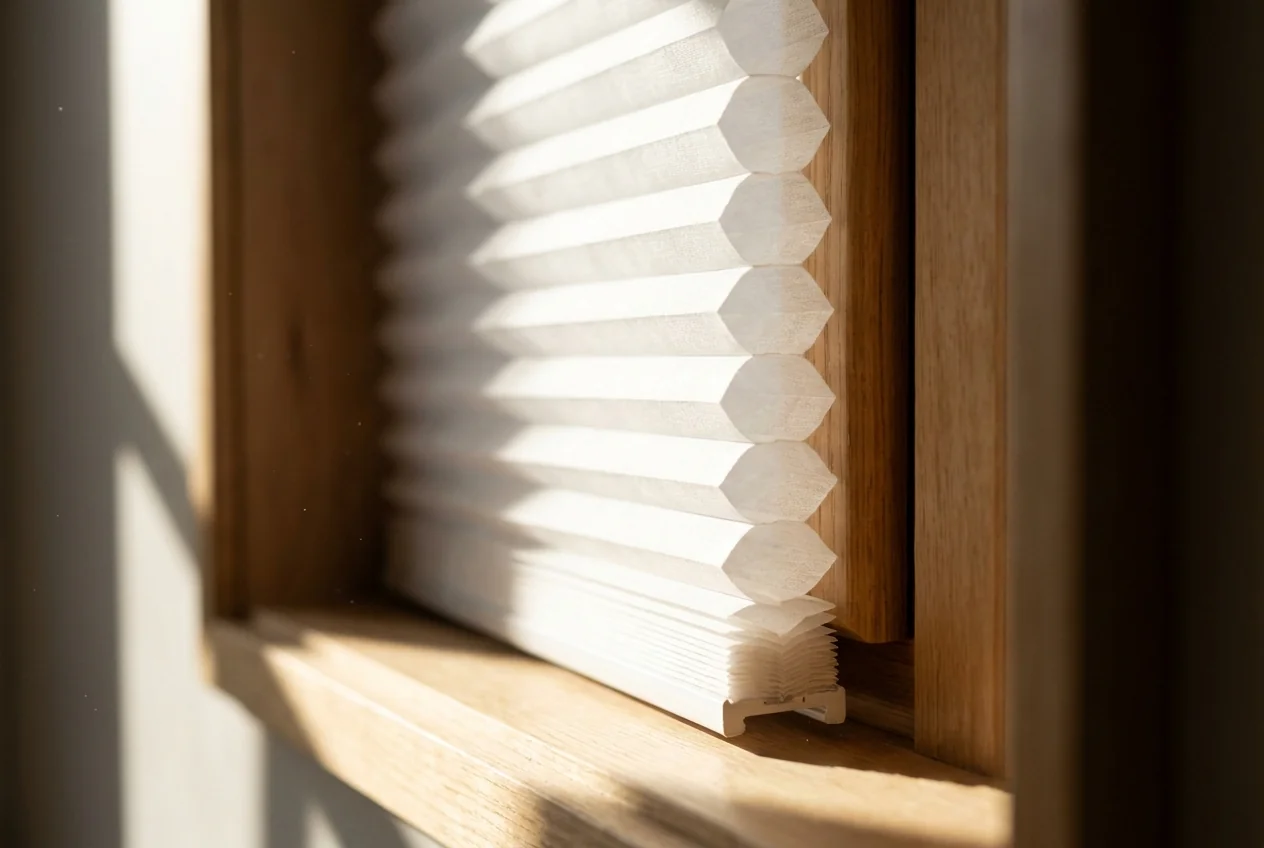
Cellular blinds trap a layer of still air in honeycomb cells — a soft-looking blind doing serious thermal work on single-glazed sash windows, July and January alike.
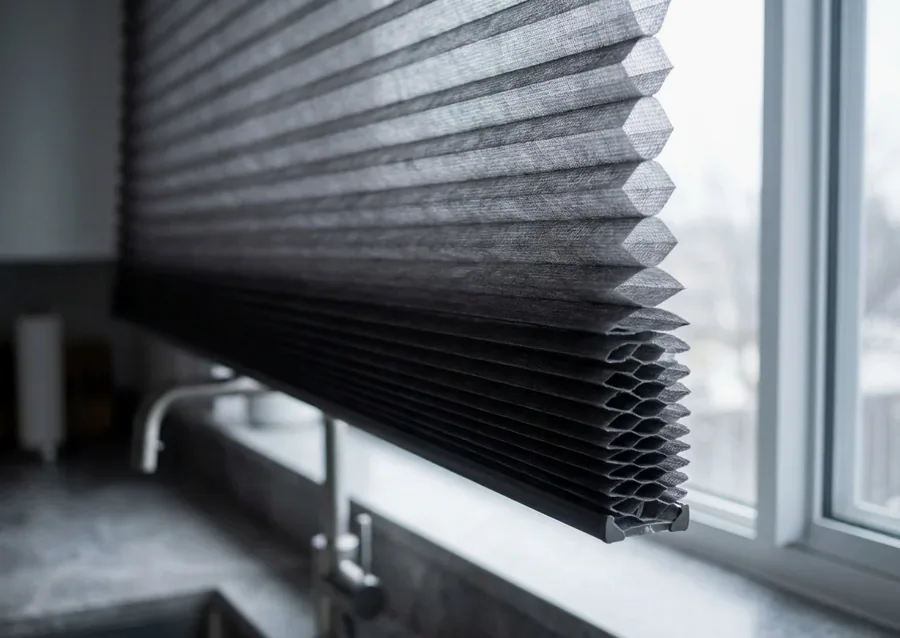
Cellular blinds trap a layer of still air in honeycomb cells — a soft-looking blind doing serious thermal work on single-glazed sash windows, July and January alike.
Where the cells earn their keep
The trapped-air principle is the same everywhere — what changes is the fabric density and how the blind is held.
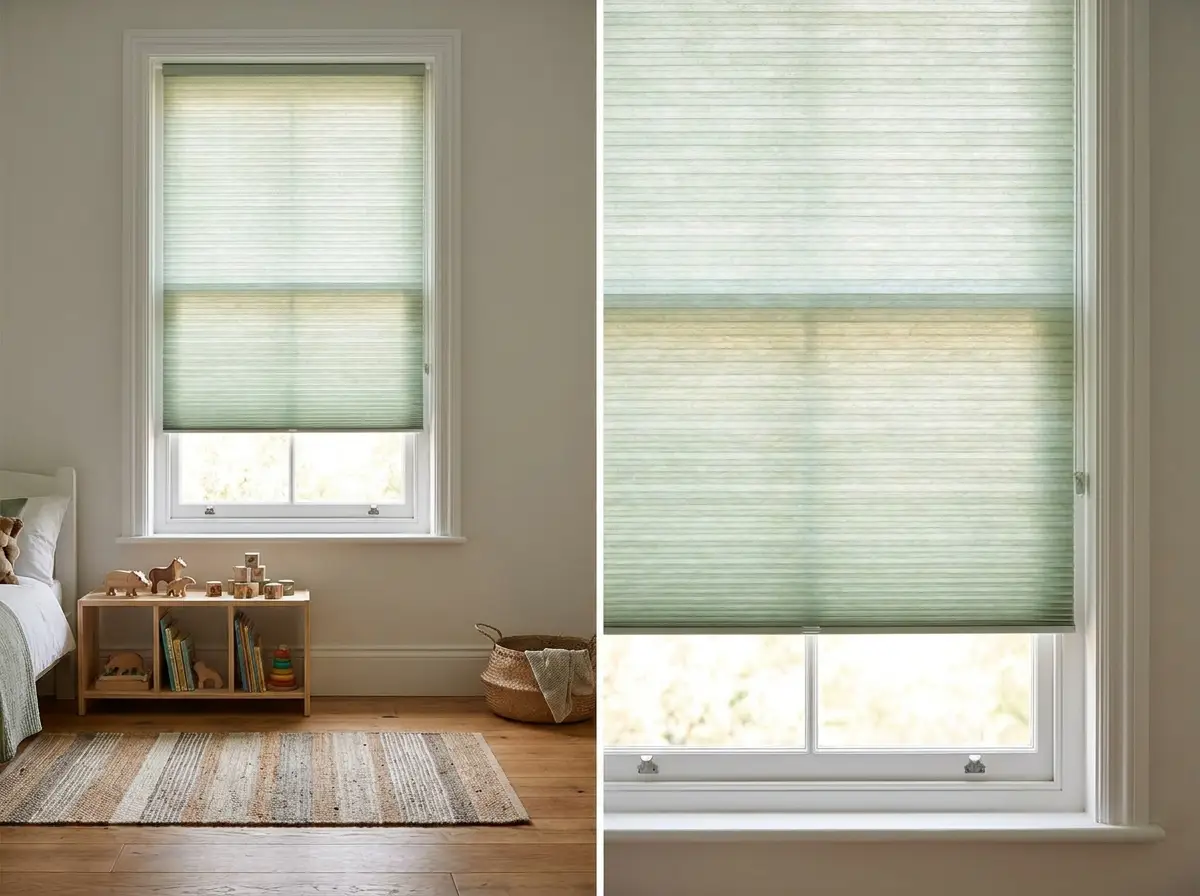
Light-filtering cells for a soft glow, blockout cells for proper sleep — and cordless or motorised operation so nothing dangles near a cot.
Ask about bedrooms →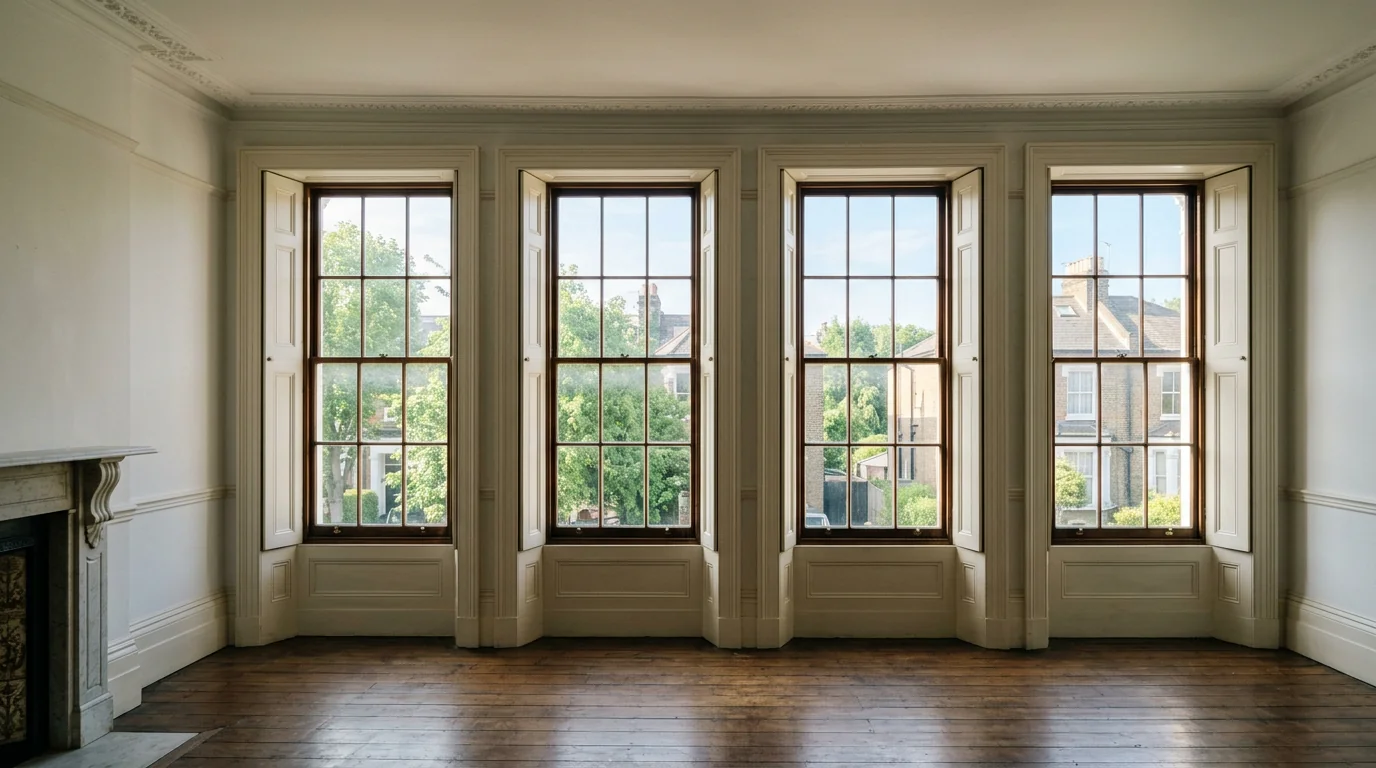
An inside-mount honeycomb sits in the recess like a second skin for the glass — the biggest comfort upgrade an unaltered heritage window can get.
Ask about sash fits →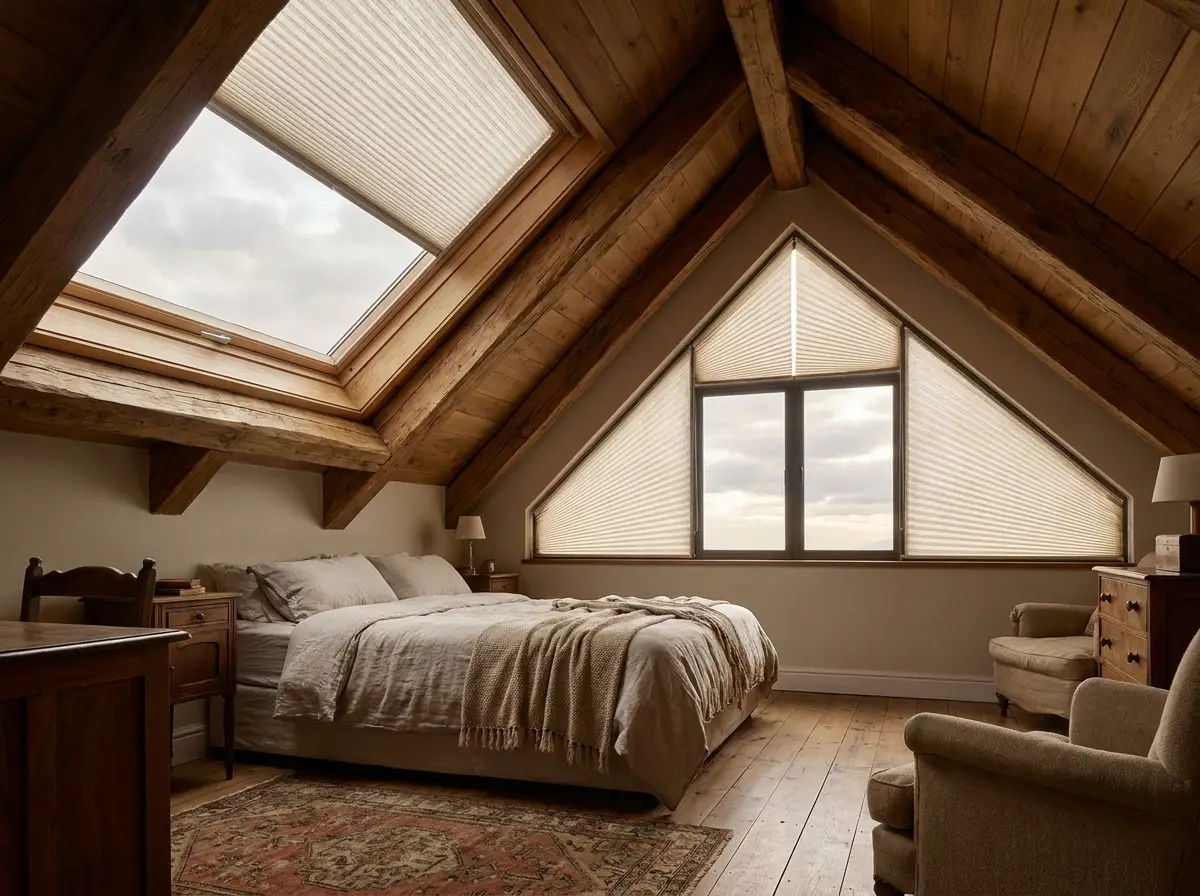
The same trapped-air logic, tensioned on side wires for roof glass, gables and arches — usually motorised, because nobody reaches a skylight twice a day.
Ask about skylights →The Saxonwold fit
Single glazing, tall ceilings and roof spaces insulated to 1920s standards — this is the suburb the honeycomb was made for.
Most period windows here still carry their original single panes. The still-air layer in a cellular blind is the least invasive way to slow heat leaving in winter and arriving in summer — no reglazing, no altering the frame.
Cellular blinds are light. Slim inside-mount brackets carry them in the recess without stressing old timber, and outside-mount versions fix to the wall where a sash is too fragile to drill.
The cells soften sound as well as heat, and the blind raises to a stack a few centimetres tall — the park view stays the point of the room.
Rooms at walking height to the street hold their privacy behind translucent cells that still glow with the garden's light all day.
The money
Guides, per square metre installed: R1,500 to R2,800 hand-operated and R3,000 to R4,800 motorised. Where a window lands inside that comes down mostly to cell construction — single-cell light-filtering at the modest end, double-cell blockout or a top-down-bottom-up head at the dearer.
It costs more per square metre than a flat roller because the cell structure is the product: what you are buying is the still air that does the insulating, not simply fabric across the glass. On original single panes in a tall room that is usually money well spent; on a small, already-shaded window it may not be, and the consultant will say which is which. Small openings attract a minimum, and figures are written down after the free measure.
Questions
Yes — trapped air is a genuine insulator, which is why double glazing works. A honeycomb blind holds a still-air layer against the glass; on a single-glazed room you feel it most on winter evenings and hot late afternoons. It supplements the glass, it doesn't replace double glazing.
Living rooms usually take light-filtering — the glow is lovely. Bedrooms take blockout cells, which line the honeycomb so the room darkens properly while keeping the same slim stack.
Yes — and for skylights, tall stairwell glass and kids' rooms it's the recommendation: quiet motors, no cords at all, and a schedule that closes the house against the afternoon heat before you're home.
Where we fit them
The same trapped-air principle answers the same problem wherever it turns up on this side of the ridge — single-glazed sash and casement windows in period homes we measure right across the parks belt.
Where cellular fits in
Cellular blinds are the strongest insulating blind we fit — and they are on the wrong side of the glass for summer heat. The field guide is honest about both halves of that.
Get your quote
Tell us about the windows. A consultant calls you back, arranges a time that suits you, and brings cell samples you can hold against your own glass.
Want a ballpark first? Pop rough sizes into the window list and we'll send a budget range by the next working day. Not sure how to measure? Leave it — our consultant measures for free and you'll get exact per-window pricing.